
Raids
Blox Fruits raid guide: how raid chips work, clearing waves before the timer, Fragment budgets, fruit awakening costs and hard raid preparation.
Introduction
Raids are the bridge between a good build and a finished one. A run starts by reaching a raid entrance and buying a raid chip, and the chip type decides which fruit awakening the run can unlock. Once inside, you clear waves of enemies before the timer expires; running out of time wastes the chip, so a raid is a damage and speed check as much as a survival test. Rewards come as Fragments, the currency behind fruit awakening, race rerolls and race awakening. Hard raids such as Dough, Buddha and Phoenix expect either a group or a genuinely strong solo build, and they should be treated as separate encounters rather than the next step in a smooth ladder. Raid access itself unlocks through the second sea, which is why the system becomes central around level 700 and above.
Raid and Fragment Reference
| Step | What You Need | What You Spend | What You Get |
|---|---|---|---|
| 1 | Access to the raid entrance and a chip | Beli or the chip source cost | Entry to the run and the awakening type it unlocks |
| 2 | A build that can clear waves before the timer | Time and consumables if you use them | Completion; a failed run wastes the chip |
| 3 | Fragment budget | Fragments per upgrade | Fruit awakening, race reroll, race awakening |
| Hard | Group or finished solo build | Multiple attempts possible | Harder awakening routes such as Dough, Buddha and Phoenix |
Raid Run Cards
Raid Chip Run
The standard awakening raid
Fruit Awakening
Where most Fragments should go first
Race Reroll
Rerolling the race bonus on your account
Hard Raids
Dough, Buddha and Phoenix territory
Core Mechanics
A raid is a timed instance, not an open-world fight. You buy a chip, enter, and clear enemy waves against a clock. Because the chip is consumed whether or not you finish, preparation matters more than bravery: check that your damage is enough on a normal island before spending a chip on a hard run. Fragments earned from completions feed three sinks, fruit awakening, race reroll and race awakening, and they compete with each other, so every spend is a trade-off. Awakening is permanent for that fruit, while race options are more situational. This is why raid planning and build planning are the same conversation: what you clear determines what you can finish.
Advantages
Raids are the only route to fruit awakening and race progression, which makes them the highest-value repeatable content in the game. A single successful run can move a fruit from a good pick to an endgame tool. Fragments also give a clear, measurable goal: you always know what the next upgrade costs, so progress is visible rather than luck-based. Group runs lower the damage requirement dramatically and turn hard raids into realistic targets for mid-level players. Because chip types determine the awakening, you can target exactly the fruit you own instead of farming blindly, which makes planning straightforward once you know your build.
Challenges
The chip economy is unforgiving. A failed run costs the chip, so a player who enters under-geared loses both the entry fee and the session. Hard raids raise that risk sharply, and the Dough, Buddha and Phoenix runs in particular punish solo players who have not finished a build. Fragment sinks compete directly with one another, so spending on a race reroll can delay a fruit awakening by several runs. Access is also gated by the second sea, which leaves first-sea players with no raid income at all. Finally, because the developers publish no drop or cost tables, exact Fragment figures you see in videos should be verified in game.
Frequently Asked Questions
How do I get a raid chip?+
What are Fragments used for?+
Can I solo raids?+
Quick Tips
Test your damage on a normal island before you buy a chip. If enemies in your level band take several skill rotations to kill, a timed raid will almost certainly run out of clock. Clear speed is the honest readiness check, and it costs nothing to measure compared with a wasted chip.
Decide the Fragment sink before you start running. Race rerolls, race awakening and fruit awakening all draw from the same pool, and spending on one delays the others by several completions. Pick the upgrade that helps your current build clear more content, then commit until it is paid for instead of splitting Fragments across three upgrades that all stay unfinished.
Treat hard raids as separate goals, not the next step. Dough, Buddha and Phoenix expect a group or a genuinely finished build, so attempting them the moment they unlock usually burns attempts. Farm the easier runs for Fragments and gear first, then return with a build that clears the waves comfortably.
Featured

Blox Fruits Solo Raid Build: Best Gear and Fragment Plan
Plan a Blox Fruits solo raid build with sustain, area damage, and race upgrades, while planning Fragment costs before attempting tougher raid bosses.

Blox Fruits Dough Raid: Fragment Farming and Awakening
Master the Blox Fruits dough raid with chip selection, wave preparation, boss tactics, Fragment farming, and a clear plan for Dough awakening.
Blox Fruits Fruit Awakening Raid: Full Unlock and Reward Guide
Master Blox Fruits fruit awakening raid requirements, raid bosses, Fragment costs, chip choices, timers, and race progression rewards.
All Articles
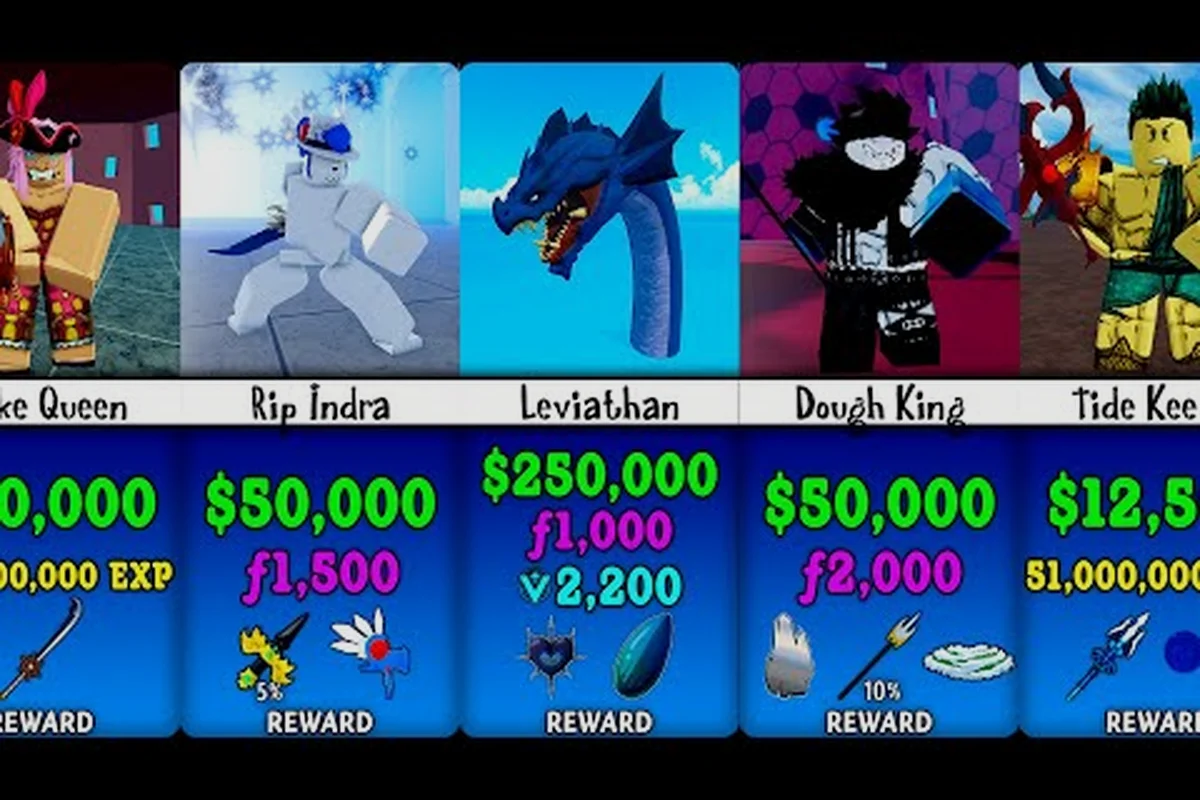
Blox Fruits Raid Boss Drops: Fragments and Upgrade Value
Compare Blox Fruits raid boss drops by Fragment yield and upgrade value, with practical raid requirements and farming priorities for awakening or Race V4.

Blox Fruits Raid Guide: Chip, Waves, and Fragment Rewards
Prepare for every Blox Fruits raid guide run with chip choices, level checks, wave tactics, timer pressure, Fragment rewards, and solo considerations.

Blox Fruits Raid Team: Roles, Carries, and Rewards
Build a Blox Fruits raid team by assigning tank, add-clearer, and burst roles, then use cooldowns and reward tracking to run raids efficiently.