
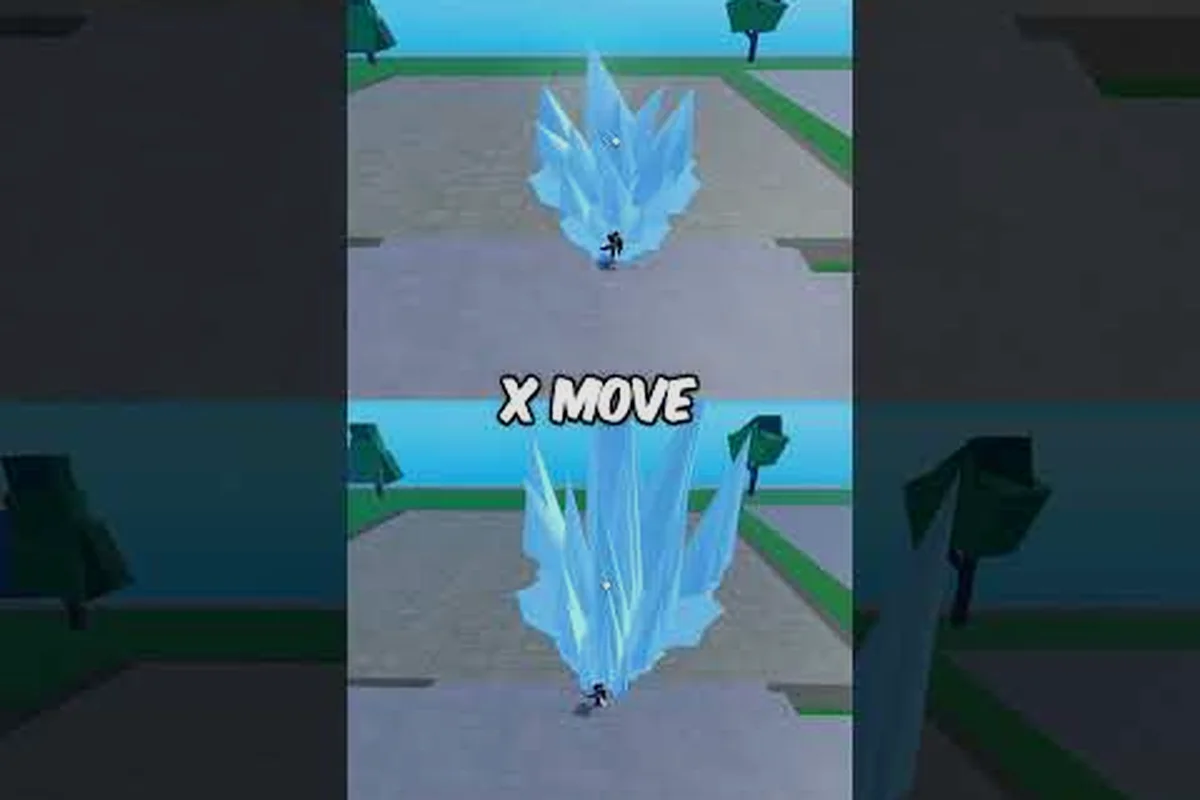
If you are weighing a damage fruit against a control fruit, the Blox Fruits Ice Fruit sits firmly on the control side of that trade, and that choice shapes every fight you take. Ice matters because its freezing attacks interrupt enemy actions, carve out safe attack windows, and punish anyone who tries to reposition mid-combo, which makes it far more valuable in crowded quest areas and boss rooms than a raw damage number suggests. This guide covers the freezing rotations worth practicing, the elemental matchups that decide when Ice works and when it does not, the awakening requirements behind its strongest tools, and the reason many late-game players keep Ice equipped while attacking with a sword or fighting style. Expect a practical combat plan rather than a stat sheet: how to open with a ranged freeze, convert that opening into burst damage, and retreat before stamina runs out. You will also see how Ice compares with Flame, Sand, and Dark when a crew needs a specific elemental role filled.
Blox Fruits Ice Fruit Overview and Core Mechanics
Blox Fruits Ice Fruit matters because its freezing attacks control space, create safe attack windows, and punish enemies who try to reposition. This guide explains the fruit’s strongest skill combinations, useful elemental matchups, practical combat rotations, and the value of pairing it with a sword or fighting style. The core mechanic is simple: land an ice attack, exploit the enemy’s frozen state, then maximize the damage window before the effect ends.
The community breakdown in this Ice Fruit showcase video describes Ice as an area-control fruit built around Freeze, while Flame relies on burn damage, Sand restricts movement, and Dark groups enemies together. Those roles are complementary rather than interchangeable, so understanding the distinction helps players choose an elemental loadout for quests, bosses, and group fights.
What Freezing Changes in Combat
Freezing temporarily interrupts an enemy’s actions, turning a difficult exchange into a short damage window. The practical value is greater than a simple damage boost because a frozen target cannot attack, evade, or reposition normally. This makes Ice especially useful against groups that would otherwise overwhelm the player from several directions.
| Combat situation | Ice Fruit advantage | Useful action while the enemy is frozen |
|---|---|---|
| Several enemies surround you | Creates room to attack safely | Hit the nearest target before the others close in |
| A dangerous boss attacks frequently | Temporarily interrupts the pressure | Land the burst rotation and reposition |
| A quest enemy uses ranged attacks | Limits the enemy’s response window | Close distance without wasting stamina |
| An enemy resists elemental effects | Reduces the value of freezing | Switch to normal attacks or a secondary weapon |
A good player does not treat every frozen target as a reason to use the same skill repeatedly. If the enemy remains frozen long enough, the most damaging available attacks should be connected. Otherwise, use a quick movement skill and preserve the effect for a more valuable exchange.
The Main Skill Rotation
The strongest general rotation is Ice → control follow-up → burst damage → reposition. The exact skills depend on the Ice Fruit’s awakening state, but the principle remains consistent: use the control tool first and direct damage afterward. For example, you can open with Ice Spike at mid-range, let it freeze or slow the target, then use Ice Path or Frost Awakening to maintain pressure before launching stronger Ice Fruit attacks. If the target resists freezing, switch immediately to the available crowd-control skill rather than committing to a full damage combo. This ordering also prevents enemies from closing the distance while you are casting, giving you time to reposition and protect your stamina before the next burst window.
A compact routine can be divided into four stages: Ice Spike for mid-range pressure, a reliable control skill to create an opening, the strongest available Ice Fruit damage during the freeze or slow window, and a reposition away from the target. For example, against a boss that resists freezing, use Ice Path to limit movement while reserving Frost Awakening or another burst attack for the safest opening; against weaker enemies, a solid freeze buys more uninterrupted damage time.
-
Establish range with the ice projectile so you do not enter melee range while surrounded.
-
Freeze the target with the skill that provides reliable control, even if it deals modest direct damage.
-
Use your strongest available attacks during the interruption, rotating through the fruit’s damage skills.
-
Reset your position after the burst because the frozen enemy may recover sooner than expected.
This structure works because the player is not relying on one fixed button combination. Instead, the Ice Fruit rotation adapts to enemy resistance, group spacing, current stamina, and the remaining duration of Ice Spike’s freeze or slow. For example, against one boss with high Status Resistance, use Ice Path to restrict movement, then save Frost Awakening for the interruption; against a cluster, keep the boss frozen while repositioning away from the surrounding mobs before committing to the burst. This decision-based approach also makes the Ice Fruit awakening stronger without wasting its limited duration on an enemy that cannot be reliably controlled.
Blox Fruits Ice Fruit Skills and Damage Strategy
The best Blox Fruits Ice Fruit builds separate control value from damage value. A slow skill can remain valuable if it freezes reliably, while a powerful attack may be less useful when the target can dodge it. Evaluating both categories produces more consistent results than simply choosing the highest damage number.
Prioritize Reliable Control
Control is the foundation of the fruit. Player reports and community showcases consistently frame the awakened version as more than a minor stat increase because the awakening path can alter how the kit feels. The short Ice Fruit demonstration notes that awakening is unlocked through the matching raid and can transform a previously awkward fruit into a stronger choice.
| Priority | Skill type | Why it matters | Best use |
|---|---|---|---|
| First | Reliable freeze or freeze extension | Creates uninterrupted damage time | Boss openings and clustered enemies |
| Second | High-damage ice attack | Converts control into damage | Immediately after a successful freeze |
| Third | Movement or area attack | Preserves safety after the burst | Repositioning or finishing scattered enemies |
| Fourth | Sustained damage | Wins fights that last longer than the freeze | End phase of an extended combo |
Build a Damage Chain
A good damage chain should include at least one quick attack, one heavier attack, and one move that remains effective after the target leaves the frozen state. If every option requires a long cast, enemies with resistance can interrupt the entire sequence.
| Fight length | Recommended chain | Reason |
|---|---|---|
| Quick | Freeze, heavy hit, reposition | Prevents the enemy from recovering before major damage lands |
| Medium | Freeze, quick hit, heavy hit, area finisher | Prevents wasted time and covers nearby enemies |
| Long | Control, burst, then sustained attacks | Maintains damage when the initial freeze expires |
The freeze extension window is especially valuable in longer fights. Rather than letting an enemy recover simply because the first control skill faded, the player can briefly refresh the effect and keep the pressure on. This is particularly effective against bosses with dangerous area attacks, but it should not consume every cooldown when the target can already be defeated with a shorter chain.
Blox Fruits Ice Fruit Elemental Matchups and Team Compositions
Ice performs best when the team understands its role as a control source. Players should compare the full elemental kit rather than treating one fruit as an automatic upgrade. A setup that freezes an enemy but leaves no one ready to capitalize can waste the strongest moment in the encounter.
Ice, Flame, Sand, and Dark Compared
The Blox Fruits flame fruit, sand fruit, and dark fruit each create a different kind of advantage. Burn damage, movement denial, and enemy grouping all support Ice, but they also compete for attention and may have different practical value against resistant targets.
| Fruit | Primary advantage | Best synergy with Ice | Limitation to watch |
|---|---|---|---|
| Ice | Freezing and area control | Creates reliable attack windows | Reduced value against elemental resistance |
| Flame | Burn damage over time | Adds pressure while the enemy is frozen | Burn may not compensate for lost burst time |
| Sand | Movement restriction and area denial | Prevents enemies escaping a freeze | Ground-based control can miss mobile enemies |
| Dark | Pulls enemies into a shared area | Groups targets for an Ice burst | Grouping can place the player at risk |
This comparison also explains why community videos such as the Ice versus Light Fruit community walkthrough treat elemental matchups as situational. The stronger fruit depends on the encounter, resistance rules, and team composition, not on a universal power ranking.
Recommended Two-Fruit Pairings
Ice plus Flame is a straightforward damage pair in Blox Fruits: Ice supplies freeze control to create openings, while Flame adds burn damage as the enemy remains in combat. This pairing works best against ordinary-resistance enemies and when the team can maintain a tight rotation, so a player can capitalize on the frozen target before the status effect expires. Because Ice and Flame cover different damage and control roles, pairing them also lets the player maintain pressure after a successful freeze without needing a separate weapon.
Ice plus Dark provides stronger group control, combining Dark’s pull with Ice’s freeze. Dark gathers scattered enemies toward the center of the AoE, and Ice then locks that cluster in place, preventing enemies from spreading out or interrupting the rotation. This pairing is especially effective in mob-heavy areas such as Impel Cave and times when multiple enemies approach from different angles. The risk is that a large pull can trap the player near the group, so Dark should be used only when there is enough space to reposition before Ice is activated.
Ice plus Sand creates a layered defensive setup: Sand’s gravity effect slows the enemy and restricts repositioning, while Ice can freeze the target to interrupt incoming attacks and stop evasive movement. This combination is particularly useful against agile opponents that would otherwise dodge a standard combo; for example, in Impel Cave, Sand can keep a moving enemy grounded long enough for Ice to secure the freeze before the player commits to a full damage rotation.
Ice plus a sword or fighting style is the most dependable late-game answer. Elemental fruits share a common weakness: enemies with Haki or elemental resistance can reduce the usefulness of their utility. A secondary weapon preserves damage output when the freeze is unavailable. The community analysis in this Ice Fruit comparison video reaches the same conclusion, noting that late-game players commonly pair a fruit with a sword or fighting style.
Blox Fruits Awakening: How to Upgrade Ice Fruit
Blox Fruits awakening is the main upgrade route for Ice Fruit because it unlocks stronger versions of the kit and introduces awakened attacks. The essential requirement is clearing the fruit’s matching raid, although players must also meet the appropriate character-level threshold and possess the necessary materials. The fruit awakening raid guide explains the broader preparation and boss requirements.
Before Entering the Raid
Preparation matters because the Ice raid can punish a player who arrives without the required level, Awakening materials, or a functioning secondary weapon. Treat it as a gated progression challenge rather than a routine boss fight: missing a level requirement can block entry, while an incomplete Awakening loadout may leave the Ice Fruit unable to control the arena. A practical example is checking the required character level, gathering every Awakening material, and testing the Ice Fruit alongside a secondary weapon before committing to the raid.
| Preparation item | Why it matters | Practical check |
|---|---|---|
| Required character level | Unlocks access to the raid | Confirm the level before traveling |
| Awakening materials | Prevents an avoidable crafting failure | Gather the full quantity in advance |
| Raid-appropriate loadout | Provides damage and survival options | Test the fruit and a secondary weapon |
| Move and health upgrades | Improves reliability during the raid | Upgrade what the current build allows |
| Storage space | Prevents material loss from an overloaded inventory | Clear unnecessary items |
Players should also review the raid’s specific boss mechanics rather than relying only on normal quest habits. Bosses often require faster adaptation than standard enemies, so knowing the attack pattern can determine whether the player can create a clean freeze window or must attack during a shorter opening.
What Changes After Awakening
Awakening adds access to stronger versions of Ice Fruit’s moves and additional awakened techniques. The practical gain is not simply a larger damage number. It can include better control, longer-lasting effects, improved reach, or stronger versions of attacks that previously felt slow.
| Awakening benefit | Combat effect | Best place to notice the difference |
|---|---|---|
| Stronger control | More reliable freeze windows | Boss fights and elite enemies |
| Improved damage | Faster elimination after freezing | Quest bosses with short attack cycles |
| Expanded utility | More ways to reposition or cover space | Group events and difficult waves |
| Better scaling | Less dependence on repeated attacks | Longer raids and prolonged encounters |
Community guides often suggest that an average fruit can become worthwhile after its awakening raid, but players should still consider the raid cost and their preferred playstyle. Awakening is especially valuable for Ice because stronger control can shorten fights that were previously inefficient, not merely increase the damage of a frozen target.
Practical Blox Fruits Ice Fruit Combos for Real Fights
The best combinations depend on whether the player is fighting one target, a group, a boss, or a resistant enemy. Instead of memorizing a fixed button sequence, use the encounter’s behavior to decide when control has the highest value. This makes the Blox Fruits ice fruit more adaptable across different stages of progression.
Solo Quest Rotation
For ordinary quests, the goal is speed without wasting stamina. Use a ranged freeze, close only after the target is immobilized, then connect the heavy damage skills. Avoid spending the longest cooldown on a weak enemy when a quicker sequence can complete the quest with less stamina remaining.
A reliable solo pattern is to combine Ice Fruit’s ranged freeze with a single movement skill and a short burst combo, because each cast creates a specific opening: the freeze buys safe positioning, movement preserves momentum, and the burst window prevents the target from escaping or healing. For example, freeze a foe near the edge of the arena, reposition with Ice Fruit: Ice-Flight, then use a fast heavy attack followed by one reliable finisher instead of chaining every ability. This keeps solo quest rotation efficient while preserving stamina for the next enemy, and the same control-first approach works when comparing Ice Fruit, Flame Fruit, Sand Fruit, or Dark Fruit loadouts.
-
Freeze from range to control the approach.
-
Close the gap with a movement skill rather than running blindly into melee range.
-
Use the burst chain before the enemy recovers.
-
Finish with the quickest attack if the target has low health.
Group Encounter Rotation
Against groups, keep enemies on the same side of the arena whenever possible. A projectile or area-freeze that catches multiple targets creates more value than a precise single-target cast. The player should attack the center or nearest cluster instead of chasing one enemy across the field.
| Enemy pattern | Better Ice Fruit response |
|---|---|
| Enemies approach in a line | Freeze the front target and damage the line behind it |
| Enemies spread around the arena | Use area control, then reposition toward the largest cluster |
| Ranged enemies stay at distance | Prioritize projectiles over melee pressure |
| A tank holds the front | Control the dangerous back target instead of wasting skills on the tank |
Boss and Resistant-Enemy Plan
Against a boss, the player should identify which attacks are worth interrupting. Freeze the boss before a major telegraphed attack if possible, then use the burst window for maximum pressure. If the boss has elemental resistance, shift the focus toward positioning and normal attacks instead of repeatedly casting a weak freeze.
The secondary weapon rule is simple: if the primary freeze consistently fails, switch damage sources without abandoning the fight. A sword or fighting style maintains output while the player waits for resistance effects or creates a different opening. Hybrid builds also let players keep the fruit for utility without expecting it to handle every phase.
Picking the Right Elemental Fruit
When comparing Blox Fruits fruits, judge them by the role they fill in the current team. Ice is excellent at control, but a player who prefers mobile melee, long-range pressure, or broad group damage may prefer another specialty. The best fruit is the one whose advantages remain useful throughout the preferred content.
Specialty Roles at a Glance
| Player preference | Strong role to seek | Why |
|---|---|---|
| Lock down dangerous enemies | Ice or Sand | Control creates safe attack windows |
| Deal damage over time | Flame | Burn rewards sustained pressure |
| Fight groups efficiently | Dark | Grouping supports area attacks |
| Stay mobile in solo fights | Movement-oriented fruit | Repositioning reduces incoming damage |
| Depend on consistent weapon damage | Sword or fighting style | Less vulnerable to elemental utility failing |
The Blox Fruits dark fruit is especially interesting in teams because its grouping effect can turn an otherwise scattered encounter into an area combo. Players who prefer Blazing Blossoms, Magma, and similar approaches can also review the T-Rex Fruit comparison to compare movement and burst options. For broader control-focused alternatives, the Gravity and Blizzard Fruit overview explains how other powerful fruits create space. This comparison helps determine whether Ice offers a distinctive enough freezing mechanic to remain in the preferred rotation.
A Simple Team Decision Test
Evaluate a setup by asking four questions: first, identify the elemental pressure it can create—Ice Fruit’s freezing and stasis, Flame Fruit’s burning damage, Sand Fruit’s crowd control, or Dark Fruit’s delayed burst—then test whether that pressure survives resistance, boss immunity, awakening, and the need to maintain spacing. A useful comparison is not simply “strong versus weak,” but control uptime, damage conversion, backup damage, and coverage of both groups and single targets; for example, Ice Fruit may secure an opening while Flame Fruit supplies follow-up damage, but only if the team can attack during the frozen window and the target lacks immunity to the chosen element.
-
Can the team control the most dangerous target? A reliable freeze can interrupt a boss or elite enemy.
-
Can the team convert that control into damage? Someone must attack while the target cannot respond.
-
What happens if resistance reduces the effect? A secondary weapon prevents the team from losing all pressure.
-
Does the team cover both groups and single targets? Strong group control may be less valuable against a lone boss with elemental resistance.
This test reveals that the best elemental matchup is not always the one with the most synergy on paper; it is the combination that has a viable backup plan. For example, a team built around Ice Fruit can hold a boss in stasis, but Flame Fruit remains the practical follow-up when the target has freeze resistance or the team cannot maintain close-range pressure. Sand Fruit can protect that plan with crowd control, while Dark Fruit provides delayed burst damage if the opening is missed. In practice, pairing Ice Fruit’s control with Flame Fruit’s damage conversion is stronger than relying on Ice Fruit alone, provided the boss is not immune to freezing and the team can safely land hits during the frozen window.
Blox Fruits Ice Fruit Improvement Plan
Improving with Blox Fruits Ice Fruit is a progression process rather than a single equipment decision. Players should move from basic control to awakened pressure, then refine their team and secondary loadout for resistance. The order matters because awakening and team support produce more value than endlessly changing one ability sequence.
Early, Midgame, and Late-Game Priorities
| Progression stage | Main objective | Secondary objective | What to improve first |
|---|---|---|---|
| Early game | Learn freeze timing | Preserve stamina | Basic stats and move speed |
| Midgame | Chain control with damage | Clear quests efficiently | Fruit mastery and awakening prep |
| Late game | Boss consistency | Handle resistance | Awakening, team synergy, and secondary weapon |
Consistency Checklist
Before a difficult quest, raid, or boss attempt, confirm that the player can freeze a target, convert the freeze into damage, and recover when the enemy resists. These checks reduce wasted attempts because most failed Ice fights come from a gap in the rotation rather than a lack of raw power.
-
Control check: Confirm the freeze connects from a safe distance.
-
Damage check: Identify which two attacks follow the freeze most efficiently.
-
Mobility check: Keep a movement option ready for the recovery phase.
-
Resistance check: Decide in advance when to use the secondary weapon.
-
Awakening check: Clear the matching raid before expecting the upgraded kit.
The central takeaway is straightforward: Ice Fruit succeeds when players treat freezing as an opening rather than the whole strategy. Strong Blox Fruits ice fruit play combines control, burst damage, positioning, and a fallback weapon, while awakening and thoughtful elemental teammates make that foundation far more consistent.
Frequently Asked Questions
Is Blox Fruits Ice Fruit worth awakening?
Yes, if you already enjoy freezing-based combat and use it in quests, bosses, or groups. Awakening improves the fruit’s overall kit and can make control more reliable. The upgrade is most valuable when paired with a secondary weapon, because enemies with elemental resistance can reduce freezing utility.
Which fruit is best with Blox Fruits Ice Fruit?
Dark is strong for gathering enemies into an area burst, while Sand is useful for restricting escape routes. Flame also works when the team wants burn damage after a freeze. The best pairing depends on whether the encounter emphasizes groups, movement control, or sustained damage.
Does Ice Fruit work against enemies with Haki?
Its damage and utility can be reduced when enemies resist the relevant elemental effects, so you should not rely on freezing alone. Keep a sword or fighting style equipped, use the fruit for control when possible, and switch to the secondary weapon when resistance reduces the freeze effect.
Can Blox Fruits Ice Fruit be used for solo bosses?
Yes, provided you learn the boss’s attack patterns and preserve enough stamina for movement. Freeze during dangerous attack cycles, then use Ice Fruit’s burst chain quickly before the boss recovers or resists the effect. For example, hold one freeze for the boss’s telegraphed area attack, then launch the burst during the recovery window; keep your sword or fighting style ready if the freeze fails or the encounter shifts into sustained movement.
Should players use Ice Fruit or a sword at late game?
A hybrid setup is usually strongest. The sword provides dependable damage, while Ice supplies control and area coverage. Use the fruit when its freeze creates a clear advantage, but switch to the weapon when resistance, stamina pressure, or boss mechanics make elemental control less reliable.